
Couples Constellations Therapy: What It Is and How It Works
Relationships can bring us extraordinary love, companionship, and healing. They can also stir some of our deepest wounds.
Many couples find themselves caught in patterns they do not fully understand. The same argument repeats in different forms. One person pursues while the other withdraws. Intimacy becomes difficult. Resentment builds. Or there is a painful sense that something unseen keeps getting in the way, even when both people care deeply and want the relationship to work.
This is where Couples Constellations Therapy can be profoundly helpful.
Unlike approaches that focus only on communication skills or the content of present day conflict, Couples Constellations Therapy looks at the wider relational field. It explores not only what is happening between two people now, but also what each partner may be carrying from their family system, early attachment experience, and deeper unconscious loyalties.
Very often, a relationship is shaped by far more than the two individuals standing in it.
What is Couples Constellations Therapy?
Couples Constellations Therapy is a form of systemic therapy that helps reveal the hidden dynamics influencing a relationship.
It is rooted in the understanding that we do not enter partnership as blank slates. Each of us arrives shaped by our family history, our experiences of love and loss, the roles we learned in childhood, and the emotional burdens we may have unconsciously carried for others. These influences can quietly shape how we relate to closeness, conflict, trust, sexuality, commitment, and belonging.
In a Couples Constellations session, the aim is not simply to decide who is right and who is wrong. It is to bring to light the deeper forces at work beneath the surface of the relationship.
For example, what looks like “overreacting” may in fact be an old fear of abandonment. What looks like emotional distance may be tied to a family history of loss, engulfment, or suppressed feeling. What looks like control may be linked to a nervous system shaped by instability or chaos.
When these deeper layers are seen, something often begins to soften.
How is Couples Constellations different from regular couples therapy?
Traditional couples therapy often focuses on communication, behaviour, conflict resolution, attachment patterns, or unmet needs in the present relationship. These can all be valuable and important.
Couples Constellations Therapy adds another dimension.
It asks questions such as:
What family patterns is each person repeating?
Is one partner unconsciously carrying grief, guilt, or fear from an earlier generation?
Has either person taken on a role in love that began long before this relationship?
Are there exclusions, losses, betrayals, or unresolved dynamics in either family system that may be affecting intimacy now?
Is one partner relating not only to the other person, but also to an internal image shaped by mother, father, or previous partners?
In other words, this work does not look only at the relationship itself. It looks at the systems standing behind it.
This can be especially powerful when a couple feels stuck in patterns that insight alone has not shifted.
How does Couples Constellations Therapy work?
In a Couples Constellations Therapy session, I work with the couple to explore the hidden emotional and systemic dynamics that may be influencing their relationship.
This can be done in different ways. In a group setting, representatives may be used to stand in for each partner and sometimes key family members or relational themes. In a one to one or online setting, the constellation may be explored using visualisation, felt sense awareness, spatial positioning, objects, or other systemic methods.
The exact form matters less than the underlying process.
The work helps make visible what has been unconscious.
A partner may begin to see that their intense fear during conflict is not only about the present disagreement, but also connected to an earlier experience of emotional instability. Another may realise that their withdrawal in intimacy began as a way of protecting themselves in a family where closeness felt unsafe or burdensome. Sometimes a person recognises that they have been relating to their partner through the lens of an unresolved bond with a parent, former partner, or excluded family member.
This is not about blame.
It is about seeing more clearly.
And often, when what is hidden becomes visible, the relationship can begin to reorganise in a healthier way.
What can Couples Constellations Therapy help with?
Couples Constellations Therapy can be helpful for a wide range of relationship struggles, especially when there is a sense of repetition, depth, or emotional charge that seems bigger than the current situation.
It may support couples who are experiencing:
recurring conflict
emotional disconnection
fear of abandonment
difficulty trusting
jealousy or insecurity
sexual shutdown or relational distance
conflict around commitment
grief after betrayal or rupture
family pressure affecting the relationship
one partner feeling overly responsible for the other
a pattern of pursuing and withdrawing
the feeling that the relationship is carrying something “older”
Sometimes the issue is not that the couple does not love one another. It is that love is getting tangled with fear, loyalty, guilt, or survival patterns that neither person fully sees.
As the systemic philosopher Jiddu Krishnamurti observed, “Relationship is the mirror in which the self is revealed.” I find that deeply true. Intimate partnership often brings to the surface precisely the places where we are most defended, most tender, and most shaped by what came before us.
What happens in a session?
A Couples Constellations session usually begins with the presenting issue. This may be a repeating conflict, a sense of distance, a loss of intimacy, or simply the feeling that the relationship is not flowing as it could.
From there, I listen not only to the surface story but also to the systemic signals underneath it. These may include repeated phrases, fixed roles, emotional asymmetry, family histories, exclusions, and patterns of entanglement.
As the constellation unfolds, each person is invited to see more clearly what belongs to the relationship in the present, and what may belong to older family dynamics or unresolved emotional material.
This can bring enormous relief.
Instead of each partner feeling attacked, blamed, or pathologised, there is often a shift toward understanding. The couple begins to see that they are not only fighting each other. They may also be caught in inherited patterns, protective adaptations, or unseen loyalties.
That shift can restore compassion.
And compassion, when it is grounded in truth rather than self abandonment, can change a great deal.
Is Couples Constellations Therapy about staying together at all costs?
No. The purpose of Couples Constellations Therapy is not to force a relationship to continue.
The purpose is to help truth come into clearer view.
Sometimes that leads to a deeper bond, more honesty, and a renewed capacity for intimacy. Sometimes it helps a couple separate with greater dignity, less blame, and more understanding of what truly happened between them.
In either case, the work aims to bring greater consciousness to love.
Who is Couples Constellations Therapy for?
This work may be suitable for couples who want to understand their relationship at a deeper level, especially when ordinary discussion keeps circling the same ground.
It can be valuable for couples who are:
in recurring conflict
feeling emotionally stuck
preparing for a major decision
working through betrayal or rupture
struggling with closeness or commitment
wanting to understand the family patterns affecting their partnership
It can also be meaningful for individuals who want to explore their relationship dynamics even if their partner is not able or willing to attend.
That said, when there is active abuse, coercive control, or a serious lack of safety, more specialised support may be needed alongside or before this kind of work.
Why this work can be so powerful
What moves me most about Couples Constellations Therapy is that it often brings people out of accusation and into deeper truth.
When a couple can begin to see the invisible forces shaping their relationship, there is often less harshness and more clarity. They can stop reducing one another to fixed positions such as “the needy one,” “the cold one,” “the angry one,” or “the avoidant one.” They begin to see the deeper story behind the pattern.
That does not erase responsibility. But it does create room for a different kind of meeting.
A more honest one.
A more humane one.
And sometimes, for the first time, a meeting where love is no longer carrying quite so much of the past.
Final thoughts
If your relationship feels stuck in patterns that seem deeper than communication alone, Couples Constellations Therapy may offer another way of understanding what is happening.
It can help uncover the hidden loyalties, inherited wounds, and systemic dynamics that shape love from beneath the surface. And when those dynamics are seen clearly, change becomes more possible.
Not because one person finally wins the argument.
But because the relationship is no longer being asked to carry quite so much unconsciously.

Family Constellations and the Healing of Inherited Emotional Patterns
Once you begin to recognise that some emotional struggles may belong to a wider family story, an important question follows: how do you work with that?
Insight is powerful, but insight alone is not always enough. Many people can intellectually understand their patterns and still feel caught in them. The body reacts before the mind can intervene. Old fears return. Familiar dynamics reappear. It is as though something in the deeper system remains unchanged.
This is one reason Family Constellations can be such a profound form of work.
Family Constellations approaches emotional difficulty through the lens of relationship, belonging, and systemic entanglement. Rather than seeing the individual in isolation, it considers the wider family field and the ways unresolved events may continue to exert an influence across generations.
In many families there have been losses, ruptures, exclusions, and unspoken griefs. Someone may have died young. A baby may have been miscarried or stillborn and never openly acknowledged. A family member may have been shamed, rejected, institutionalised, displaced, or forgotten. Sometimes an ancestor endured war, migration, violence, or profound deprivation, and the emotional consequences were never fully processed.
When experiences like these remain outside conscious awareness, they do not necessarily disappear. Instead, they may continue to live in the family system in hidden ways.
A later descendant may carry anxiety that seems to have no clear source. Another may repeat painful relationship patterns. Another may feel burdened by guilt, fear, or grief that seems strangely out of scale. From a constellations perspective, these patterns can sometimes be understood as expressions of unconscious loyalty, identification, or attempts to bring what has been excluded back into view.
This is where the work becomes both subtle and deeply human.
Family Constellations is not about blaming parents or reducing everything to a theory. It is not about forcing meaning where none exists. And it is certainly not about becoming lost in endless analysis. Rather, it offers a way of approaching emotional patterns with humility and systemic awareness.
Often the movement begins with a simple recognition: something in me may be carrying more than my own story.
That recognition alone can be transformative.
When a hidden pattern is gently made visible, people often experience a surprising softening. Feelings that once seemed chaotic begin to organise themselves. A chronic inner pressure may lessen. A person may find that they no longer need to carry the same emotional role in the family. There can be a new sense of separation between one’s own life and the unfinished burdens of those who came before.
In this sense, Family Constellations is not only about the past. It is also about freedom in the present.
It asks: what happens when what was forgotten is acknowledged? What happens when grief is given a place? What happens when love is disentangled from suffering? What happens when a person no longer unconsciously carries what never belonged to them?
These are not merely intellectual questions. They are lived ones.
In practice, the work can help people make sense of patterns such as repeated abandonment, chronic anxiety, difficulties with intimacy, persistent guilt, self sabotage, or the feeling of being bound to a family pain they cannot quite name. It can also bring a deeper compassion for parents and ancestors, not by excusing harm, but by placing human struggle in a wider context.
The poet Rilke wrote, “Perhaps everything that frightens us is, in its deepest essence, something helpless that wants our love.” That feels close to the heart of constellations work. Beneath many entrenched patterns there is something unresolved, unseen, or left out of love. When that hidden element is approached with presence rather than force, change often becomes possible.
Healing in this context does not mean erasing family history. It means no longer being unconsciously organised by it.
It means recognising that your life can honour what came before without repeating it.
It means allowing the nervous system to experience something new, perhaps for the first time: that you can belong to your family and still live your own life fully.
For many people, that is the real turning point.
Not the discovery that the past had an effect, but the embodied realisation that the past does not have to keep deciding the future.
Signs You May Be Carrying Inherited Family Trauma: How Family Constellations Can Help
Not every emotional struggle comes from inherited family trauma. Sometimes what we feel is very clearly connected to our own life events, relationships, or current pressures. But there are times when a pattern seems older than our personal story, as if it arrived before we had language for it.
Many people sense this intuitively.
They say things like, “I know this reaction is too big for the situation,” or, “I don’t understand why this fear is so strong,” or, “It feels ancient.” That language is often very revealing. It points to the possibility that what is being activated in the present may be connected to something that has been moving through the family line for much longer.
So what might this actually look like?
Emotional reactions that feel bigger than the present moment
One common sign is an emotional response that feels out of proportion to current reality. You may have a stable relationship, yet live with a powerful expectation of abandonment. You may be safe, housed, and financially secure, yet feel constant dread that everything could disappear. You may experience guilt, grief, or fear that does not seem fully rooted in your own lived experience.
Repeating family patterns across generations
Another sign is the repetition of themes across generations.
Perhaps anxiety around money is present in your parents, your grandparents, and now in you, even though the practical circumstances are very different. Perhaps the women in your family repeatedly find themselves in painful or unavailable relationships. Perhaps there is a pattern of emotional cutoff, estrangement, compulsive caretaking, or carrying the burdens of others.
Repeated themes do not prove a theory on their own. Families are complex. But when the same emotional atmosphere appears again and again, it is often worth paying attention.
This is one of the core areas explored in Family Constellations. The work looks at recurring family patterns not simply as coincidence, but as possible expressions of unresolved dynamics within the wider family system.
Carrying feelings that do not seem fully your own
A third sign is the sense of carrying feelings that do not entirely belong to your own biography.
You may feel deeply responsible for keeping everyone together. You may carry unexplained shame. You may be driven by a need to fix, rescue, or compensate for something unnamed. In some cases, people unconsciously identify with a forgotten or excluded member of the family system, carrying emotions that echo a loss, injustice, or fate from an earlier generation.
From a Family Constellations perspective, this can sometimes reflect an unconscious loyalty within the family system. A person may, without realising it, carry something on behalf of someone who came before them.
Finding it difficult to relax, receive, or trust good things
This can also show up in subtler ways.
You may notice that you struggle to receive love, rest, or success without anxiety. Joy may feel unsafe. Stability may feel suspicious. Calm may feel unfamiliar. When a family system has adapted to hardship, the nervous system can begin to organise itself around vigilance rather than ease. Even when life improves, the body may not immediately trust that change.
This is one reason inherited patterns can be so confusing. They are not always dramatic. Sometimes they appear as a quiet undertow in daily life.
A persistent feeling that happiness will not last.
A background fear that closeness will end in loss.
An inability to relax when things are going well.
A reflex to expect trouble, even in moments of peace.
Feeling trapped in a family role
Many people also notice a strong pull toward family roles that feel oddly fixed. The one who keeps the peace. The one who disappears. The one who carries the sorrow. The one who cannot leave. The one who becomes successful on behalf of everyone.
These roles often have a systemic logic to them. They are not random. They can be expressions of loyalty, adaptation, or unconscious identification. Family Constellations therapy can help make these roles visible, so that a person can begin to step out of what they have been unconsciously carrying.
How Family Constellations can support healing
What makes this perspective so valuable is that it shifts the focus away from pathology and toward meaning.
Rather than viewing yourself as broken, dramatic, or overreactive, you begin to ask whether your emotional life is responding to a story larger than the one you consciously know. That question can open a door.
It can lead you into family history with fresh eyes. What happened in earlier generations? Who was lost? Who was excluded? Who had to survive something overwhelming? What grief was never spoken? What fears became normal? What emotional truths were pushed underground?
You do not need every answer. But even a few pieces of the puzzle can change how you understand yourself.
This is where Family Constellations work can be so powerful. It offers a way of exploring inherited family trauma, generational trauma, and hidden loyalties within the family system, helping patterns that have remained unconscious become visible.
Sometimes the most healing moment is not a dramatic breakthrough. Sometimes it is simply the realisation that a lifelong feeling of dread, lack, guilt, or loneliness did not begin as evidence of personal deficiency. It may have been part of an inherited emotional landscape.
And when you see that, you can start to relate to the pattern differently.
Not as your identity.
Not as your destiny.
But as something that can be witnessed, understood, and gradually released.
Why Some Feelings Feel Older Than Your Own Life: Family Constellations and Inherited Family Trauma
There are moments in life when an emotional reaction seems strangely disproportionate to what is actually happening.
A small disagreement may stir panic. A delayed message may awaken a deep fear of abandonment. You may feel a persistent sense that something terrible is about to happen, even when your life is outwardly stable and secure. Reactions like these can feel confusing, especially when they do not seem fully explained by your own personal history.
Of course, our childhood experiences matter. The nervous system is shaped profoundly by early relationships, stress, and the emotional environment in which we grow up. Yet many people find that even after years of self reflection, therapy, or personal development, certain patterns remain stubbornly present. They can feel as if they belong to another layer of the story. Something older. Something deeper.
This is where the idea of inherited family trauma becomes so compelling.
In recent years, more attention has been given to the possibility that the effects of trauma may not end with the person who originally lived through it. Severe stress can shape family dynamics, emotional regulation, and, in some cases, even the biological systems involved in responding to danger. This does not mean that your future is fixed by what happened to your ancestors. It means that the emotional world you inherit may already carry traces of experiences that came before you.
When you begin to look through this lens, reactions that once felt like proof that something is wrong with you can start to make a different kind of sense.
Perhaps the fear you carry is not simply irrational. Perhaps it belongs to a wider family atmosphere shaped by loss, instability, migration, exclusion, grief, or survival. Perhaps your nervous system learned something long before you ever had words for it.
Families often carry emotional histories that remain largely unspoken. A grandparent may have lived through war. A relative may have experienced poverty, exile, miscarriage, addiction, betrayal, or sudden bereavement. Sometimes these stories are known. Sometimes they are half known. Sometimes they live only as emotional residue, showing up in the tone of the household, the things no one speaks about, or the invisible rules everyone obeys.
Children are exquisitely sensitive to this emotional field. They notice tension, absence, fear, silence, and grief long before they can interpret it consciously. In this way, a family’s unresolved pain can continue to move quietly through the generations.
You might see it in the family that never relaxes around money, even when there is enough. You might see it in repeated patterns of difficult relationships, chronic guilt, emotional shutdown, or the inability to trust joy. Often there is no obvious explanation in the present moment. Yet the feeling persists, as though the body is remembering something the mind cannot name.
This perspective is one of the reasons many people are drawn to Family Constellations. Rather than looking only at the individual in isolation, Family Constellations considers the wider family system and the possibility that present day emotional struggles may be connected to unresolved experiences in earlier generations. It offers a way of exploring whether a feeling, fear, or pattern may be entangled with something larger than your own biography.
This can be deeply relieving.
Instead of asking, Why am I like this?, a gentler question begins to emerge: What might my system be carrying?
That shift matters. It replaces shame with curiosity. It turns self blame into a wider, more compassionate inquiry. It acknowledges that while your reactions are indeed yours to work with, they may not have begun entirely with you.
The philosopher Ortega y Gasset wrote, “I am I and my circumstance.” In family healing work, that feels especially true. None of us arrive untouched by context. We are shaped by relationships, by history, by atmosphere, by what was spoken, and by what was left in silence.
Yet inherited patterns are not a life sentence.
Awareness itself can begin to loosen them. The moment you recognize that a fear, expectation, or emotional reflex may belong to a larger family story, you are no longer completely fused with it. You begin to observe it, rather than simply living inside it. You create space. And in that space, change becomes possible.
This is also where Systemic Family Constellations therapy can be meaningful. It does not seek to blame your parents or reduce your life to a theory. Instead, it helps bring hidden loyalties, unspoken griefs, and recurring family patterns into awareness, so that what has been carried unconsciously can begin to soften.
You do not need to unravel every detail of your ancestry in order to begin healing. Sometimes the first step is simply allowing the possibility that your emotional life has roots beyond your own biography. That alone can soften something.
It can help you meet yourself with more tenderness.
And from that place, a different relationship with your own inner world can begin.
How Family Constellations Supports the End of Patterns That Began Before You
You may have followed every piece of advice that promised change.
You have read widely. You have committed to therapy. You understand your attachment style and can identify your triggers. You can tell the story of your childhood with clarity and coherence.
And yet the same patterns reappear.
A relationship dissolves in a way that feels familiar. Anxiety rises despite reassurance. Financial instability carries a sense of inevitability. Emotional reactions feel disproportionate to the moment.
At some stage, a quieter question emerges. What if this did not originate with me?
When Inner Work Still Leaves Something Unresolved
Individual therapy has immense value. Looking at your own history matters. Exploring beliefs, behaviours, and coping strategies matters. Insight can change the way you see yourself and your life.
However, insight does not always end repetition.
Someone may understand their pattern thoroughly and still feel unable to interrupt it. The response comes before the reasoning. The nervous system activates as though it is reacting to something older than the current situation.
When this happens, it can feel discouraging. As though you have not gone deep enough or done enough work.
Yet sometimes the source of the pattern is not solely personal. It may be systemic.
Loyalty to the Family System
We are not isolated individuals. We are born into relational networks that carry history.
Within Family Constellations, one guiding principle is that every member of a family has a place. When someone is excluded, forgotten, shamed, or erased, the system does not simply move forward unchanged. It reorganises in response.
A later generation may unconsciously align with the excluded individual. A grandchild may carry the grief of a grandmother whose losses were never acknowledged. A child may repeat the fate of an uncle who died prematurely. A person may continually undermine financial success in resonance with an ancestor who lost everything.
These identifications are rarely conscious. They are not chosen deliberately. Often they represent loyalty and a need to belong.
The repetition continues not because something is wrong with the individual, but because the family system has not yet regained balance.
Expanding the Frame
Traditional therapy focuses on your personal history, thought patterns, emotional regulation, and early attachment experiences. It asks important questions about your life.
Systemic work asks a different question. What happened before you?
Family Constellations, created by Bert Hellinger, engages with the wider relational field of the family. It explores how unresolved events in previous generations may shape present emotional experience and behaviour.
This approach does not replace individual therapy. It works alongside it. It broadens the enquiry from “What is wrong with me?” to “What might I be carrying?”
Sometimes that broader perspective changes everything.
Revealing What Has Been Hidden
In a Family Constellation, family relationships are represented spatially, either in one to one sessions or in a group setting. Through this process, unseen loyalties and identifications often come into view.
Someone experiencing persistent anxiety may uncover a connection to an ancestor who endured sudden loss or displacement. A person who feels chronically excluded may find an unconscious link to a forgotten relative.
Once these dynamics are recognised, they can be acknowledged.
The work does not involve reliving trauma. It involves recognising what occurred and restoring order within the family system. Each person is given their appropriate place. Responsibility is returned to its historical context.
As this shift occurs, many people notice a change. Emotional intensity decreases. The sense of inevitability weakens. The pattern begins to loosen.
Healing Happens in Relationship
Contemporary culture often presents healing as an individual pursuit. Improve your thinking. Optimise your habits. Calm your nervous system.
These practices are meaningful. Yet they exist within a relational context.
Our nervous systems are shaped in connection with others. Our stress responses develop within relationships. Our sense of safety is relational.
When an unspoken family dynamic is brought into awareness and acknowledged, something reorganises at a deeper level. The body no longer needs to express unresolved history through symptoms or repetition.
Healing, in this sense, is relational rather than purely cognitive. It occurs when belonging is restored and what was excluded is recognised.
From Repetition to Choice
Understanding that a pattern did not begin with you can bring relief. It shifts the story from personal inadequacy to inherited dynamic.
It also restores choice.
Ending a cycle does not require distancing yourself from your family or assigning blame. It requires acknowledgement. When the past is given its place, the present gains space.
A pattern that has moved through generations can end with you. Not through force or suppression, but through awareness.
What did not begin with you does not have to continue through you.
When hidden histories are brought into awareness, cycles that once felt unavoidable can come to completion.
And in that completion, space opens for something new.
Camilla Brinkworth is a Family Constellations facilitator and trauma-informed practitioner based in Bali and working globally online. She supports individuals in uncovering inherited family dynamics, restoring systemic balance, and shifting entrenched emotional and relational patterns.
Are You Living Your Grandmother’s Fear?
The Hidden Language of Inherited Trauma
Have you ever caught yourself repeating the same sentence when you feel distressed?
“I’m going to lose everything.”
“I’ll end up alone.”
“I just know something terrible is about to happen.”
You may understand your childhood well. Your present life may be stable and outwardly secure. And yet the emotional tone of certain fears can feel disproportionate, almost ancient, as if the intensity belongs to another time.
What if some of the words you rely on most are not entirely your own?
Within psychology and systemic therapy, there is increasing recognition that trauma does not always begin and end with one individual. It can reverberate through generations. One of the quietest ways it reveals itself is through language.
The Power of Repetition
Over a century ago, Sigmund Freud described repetition compulsion, the unconscious drive to replay unresolved experiences. We repeat relational patterns. We recreate familiar emotional atmospheres. We respond to present circumstances as though they carry the gravity of something much older.
Carl Jung observed a related phenomenon. What remains unconscious, he wrote, returns as fate.
You may recognise this in your own life. Repeated relationship breakdowns that follow the same emotional script. A persistent fear of abandonment despite no present threat. Ongoing anxiety about financial collapse even when your circumstances are secure. A sense of impending catastrophe that arrives without clear cause.
Repetition is rarely intentional, and it is not a personal failing. Often, it is the psyche’s attempt to resolve something unfinished.
The Hidden Language of Fear
Trauma leaves traces, not only in the nervous system but in the language we use.
Certain phrases carry a particular emotional charge. Under stress, they surface automatically. They often sound absolute.
“I feel ruined.”
“I’m completely alone.”
“I can’t survive this.”
When we listen closely, these words can act as signals. They may carry the emotional tone of an earlier event. A sudden bereavement. Forced migration. Suicide. War. A business collapse. A parent who disappeared, physically or emotionally.
The language may not describe the historical event directly. Instead, it holds its emotional imprint. The words become shorthand for inherited fear.
This is not about literal memory. It concerns emotional inheritance. A family may fall silent around a painful event, yet the emotional residue continues to circulate. A grandmother who lost her parents young may never speak of it. Yet her grief shapes how she mothers her daughter. That daughter may carry an undercurrent of insecurity into her own parenting. By the third generation, the original story may be forgotten, but the emotional atmosphere remains.
The body reacts and the language follows.
When the Words Feel Older Than You
One of the clearest signs of inherited fear is intensity. The emotional response does not fully align with the present situation. The language feels excessive. The charge is disproportionate.
Someone loses a client and experiences it as total annihilation. A minor disagreement in a relationship triggers panic about permanent abandonment. A natural life transition evokes dread that life is over.
At times, the fear feels older than your own biography.
In systemic approaches such as Family Constellations, we often explore unconscious identification. A child may identify with an excluded or traumatised ancestor. A grandchild may carry the grief of a grandmother whose losses were never acknowledged. Without realising it, the younger generation may express what the older generation could not.
This identification is not deliberate. It operates beneath awareness. Yet it can profoundly shape emotional reactions and the words that accompany them.
Hidden Identifications Within Family Systems
Family Constellations, developed by Bert Hellinger, works directly with these systemic dynamics. Rather than focusing solely on individual psychology, it engages with the wider relational field of the family.
In a constellation, family members are represented spatially, either in one to one work or within a group setting. This often reveals unseen loyalties and identifications. A person experiencing chronic anxiety may discover a connection to an ancestor who endured sudden loss. Someone who feels persistently excluded may be unconsciously linked to a forgotten sibling or relative.
When these dynamics come into awareness, something shifts. The fear is recognised as belonging, at least in part, to the past. The individual no longer needs to carry it unconsciously in order to remain loyal.
The intention is not to relive trauma. It is to restore balance. To acknowledge what was excluded and allow each person in the system to occupy their rightful place.
When this occurs, the language often softens. The urgency fades. The emotional charge reduces.
A Practical Reflection
If you are curious whether inherited language may be influencing you, you might reflect on the following:
What phrases do I repeat most often when I am distressed?
Do these words feel disproportionate to my present reality?
Has anyone in my family experienced sudden loss, war, suicide, exile, bankruptcy, or early death?
Is there someone in my family who is rarely mentioned?
Does my fear feel older than my own lived experience?
These questions are not intended to assign blame. They are invitations to observe with curiosity.
At times, simply recognising a phrase as inherited creates space around it.
How Family Constellations Can Support This Work
Family Constellations offers a structured and contained way to explore inherited patterns safely. By mapping family dynamics spatially, unconscious identifications often become visible in ways that conversation alone may not reach.
Participants frequently describe gaining clarity about the origins of certain fears. When an excluded family member is acknowledged or a hidden story is given language, the relational field can reorganise.
This reorganisation may be subtle, yet it can be profound. The individual no longer needs to express unresolved history through their own symptoms or repeated phrases. The burden is returned to its historical context, where it belongs.
The aim is not separation from family. It is integration. When the past is acknowledged with respect, the nervous system often settles. Emotional responses become more proportionate to the present and choice becomes available again.
The fear you carry may not have begun with you. Yet it does not have to continue through you.
When we listen closely to our language, we may find that some of our most persistent phrases are invitations. Invitations to look back, to acknowledge what came before, and to step out of repetition into awareness.
Sometimes, naming the origin of a fear is enough to loosen its hold.
And sometimes, in that loosening, the present finally begins to feel like the present.
Camilla Brinkworth is a Family Constellations facilitator and trauma-informed practitioner working one to one in Bali and online worldwide. She supports clients in exploring inherited patterns, nervous system regulation, and relational healing with clarity, depth, and respect for the wider family field.
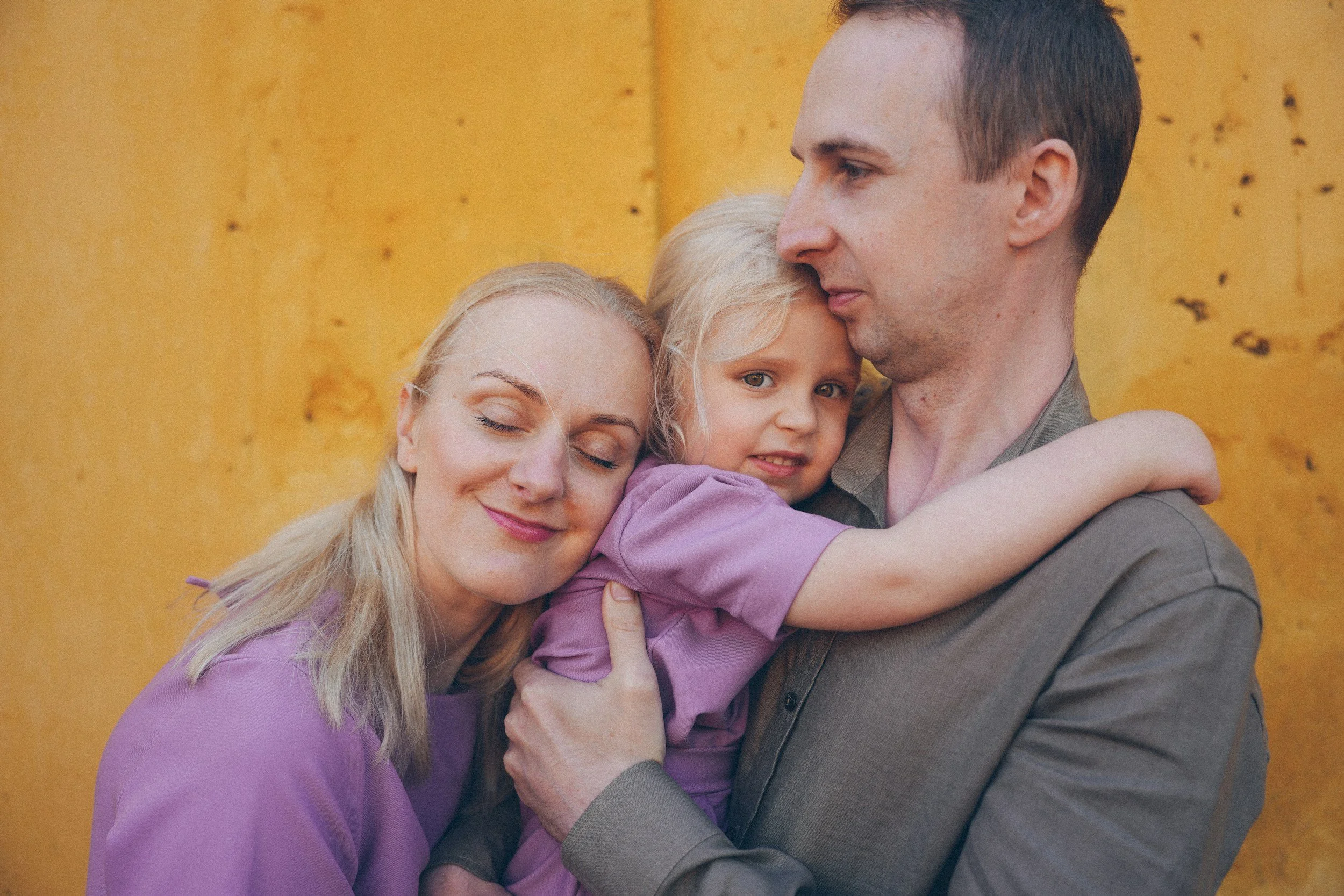
Three Generations in the Womb
The Biological Reality of Transgenerational Trauma
Long before you took your first breath, part of your story had already begun.
When your grandmother was carrying your mother, the egg that would eventually become you was developing within your mother’s forming ovaries. For a brief but significant window, three generations coexisted within the same biological environment.
What was once a poetic idea has become an area of serious scientific inquiry. Research in epigenetics and stress physiology now indicates that trauma does not only affect the individual who directly experiences it. Its impact may extend to children and even grandchildren in measurable biological ways.
The concept that trauma echoes across generations was once seen as metaphor. Increasingly, it is understood as physiology.
Three Generations, One Shared Environment
During fetal development, a female baby forms the eggs she will carry for life while still in her own mother’s womb. If she later has a daughter, the egg that becomes that granddaughter was already present during the grandmother’s pregnancy.
This means grandmother, mother, and grandchild may all be influenced by the same environmental conditions at the same time.
If that shared environment includes chronic stress, malnutrition, war, displacement, or profound emotional shock, those exposures can shape more than one generation simultaneously.
This does not imply inevitability. It does suggest that the body records experience in ways we are still learning to comprehend.
Cortisol, PTSD and the Stress System
To understand how trauma may be transmitted biologically, we must examine the body’s stress response.
The hypothalamic pituitary adrenal axis, known as the HPA axis, governs how the body reacts to stress. Cortisol, the primary stress hormone, mobilises energy during threat and then supports recovery once safety returns.
In individuals exposed to severe or prolonged trauma, this system can become dysregulated. Research shows that some people with post traumatic stress disorder exhibit altered cortisol rhythms, affecting how their nervous systems perceive and respond to danger.
Studies involving Holocaust survivors and their children found that descendants of individuals with PTSD often demonstrate similar alterations in cortisol regulation. Comparable findings have been observed in populations affected by war and large scale collective trauma.
These patterns cannot be fully explained by parenting style or shared narratives alone. Biological markers indicate that stress regulation itself may be shaped across generations.
Children of parents with PTSD are statistically more susceptible to anxiety, depression, and stress related disorders. The nervous system appears capable of inheriting not only physical traits, but tendencies in threat detection and emotional regulation.
Epigenetics and the Imprint of Stress
Epigenetics offers a framework for how this transmission may occur.
Epigenetics refers to changes in gene expression that do not alter the DNA sequence itself. Environmental influences can switch genes on or off through chemical processes. One well studied mechanism is DNA methylation, which can reduce or silence the activity of particular genes.
When someone experiences trauma, genes involved in stress response, inflammation, and mood regulation may undergo epigenetic modification. These changes influence how the body responds to challenge.
In some instances, certain epigenetic markers appear to bypass the typical resetting process that occurs during reproduction. As a result, aspects of stress imprinting may be passed to offspring.
This is not genetic damage. It is adaptation. The body prepares for the environment it anticipates.
If previous generations lived in dangerous conditions, heightened vigilance and rapid stress activation would have supported survival. Difficulty arises when these inherited stress responses persist in relatively safe environments, creating a mismatch between biological expectation and present reality.
Adaptive Inheritance in a Modern World
Inherited stress sensitivity can be viewed as protective rather than pathological.
Hypervigilance may once have enabled survival in wartime. Heightened emotional sensitivity may have preserved connection in unstable circumstances. Rapid mobilisation in response to threat may have been essential in unpredictable settings.
In contemporary life, however, these same adaptations may present as chronic anxiety, disturbed sleep, irritability, or an inability to relax.
What once ensured survival can become distress when the nervous system remains organised around danger that is no longer present.
Reframing inherited vulnerability as resilience changes the narrative. It also reminds us that patterns formed in adaptation can evolve again.
Can Healing Change the Pattern?
One of the most encouraging aspects of epigenetic research is its flexibility. Epigenetic markers are responsive. They shift in relation to environment.
Studies in both animal and human models suggest that supportive environments, secure attachment, reduced stress exposure, and consistent regulation practices can alter gene expression over time. Stress related patterns are not permanently fixed.
This introduces a powerful possibility. If trauma can move forward through generations, healing can as well.
Regulation, safe relationships, and emotional integration may not only benefit the individual. They may also influence future generations.
This is not a weight of responsibility. It is an opening toward agency.
Beyond Molecules: The Relational Transmission of Trauma
Biology tells part of the story. Relationship tells another.
Children inherit more than stress hormones. They inherit emotional climates. Unspoken grief, silence around traumatic events, and unconscious loyalties shape the developing nervous system.
Systemic methods such as Family Constellations address this relational dimension directly. Rather than focusing solely on personal symptoms, this approach explores how unresolved experiences in earlier generations may influence present day behaviour and emotional responses.
Through spatial mapping of family dynamics, unconscious identifications with traumatised ancestors can become visible. When excluded family members are acknowledged, past events are given recognition, and burdens are symbolically returned to their origin, individuals often report a significant reduction in emotional intensity.
From a physiological perspective, this may decrease chronic stress activation. From a systemic perspective, it restores order within the family field.
These perspectives do not compete. They inform one another.
Trauma Travels. Healing Does Too.
The image of three generations sharing one womb invites humility. Our bodies are shaped by history.
But history is not destiny.
Trauma can imprint stress responses across generations. It can influence cortisol regulation and gene expression. It can reverberate through biology and relationship.
Yet research also demonstrates something equally significant. Patterns can shift. Regulation can return.
If trauma can move forward, so can resilience. So can awareness. So can repair.
We inherit more than stories. We inherit biology. And in tending to our own nervous systems and relationships with care and consciousness, we may be influencing more than our present wellbeing.
We may be quietly shaping the generations still to come.
Camilla Brinkworth is a Family Constellations facilitator and trauma-informed practitioner working one to one in Bali and online globally. She supports clients in uncovering inherited patterns, restoring balance within the family system, and regulating the nervous system for lasting emotional wellbeing.
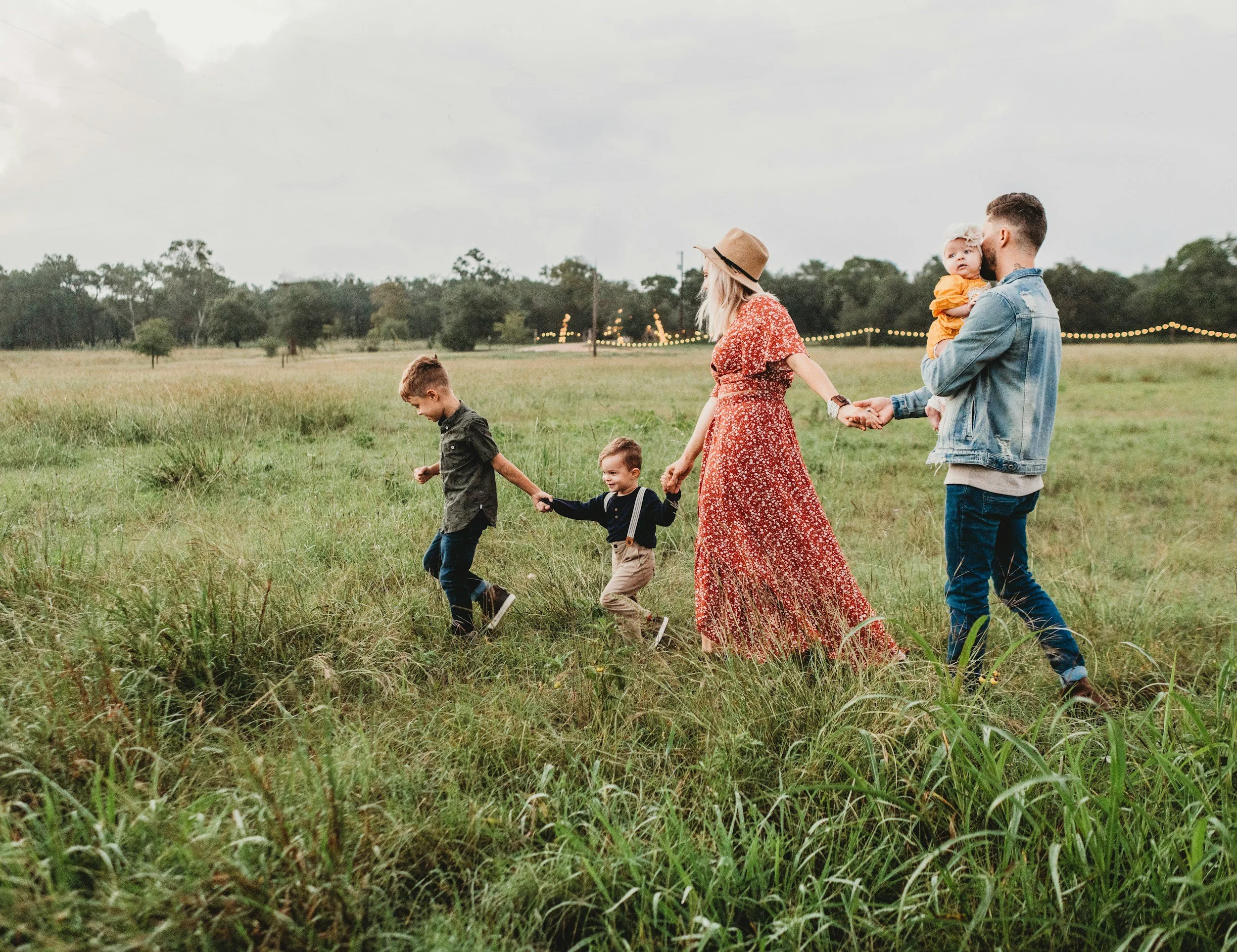
When the Past Isn’t Past: How Ancestral Trauma Lives in the Body
“The past is never dead. It’s not even past.”
- William Faulkner
In my work with clients, there are moments when someone speaks about anxiety, insomnia, depression, or a persistent undercurrent of dread, and yet nothing in their present life seems to fully explain it. Their relationships are stable. Their work is secure. They have done therapy. They understand their childhood and, in many ways, have made peace with it. And still, their body remains braced, as though something unresolved is quietly active beneath the surface.
What if some of what we carry did not begin with us?
Both research and systemic understanding increasingly suggest that trauma is not only psychological. It is biological. It is relational. It can pass through generations, shaping stress physiology, emotional patterns, and even identity.
The question is not whether the past influences us. It does. The deeper question is how.
Trauma Reaches Beyond One Lifetime
Trauma occurs when an experience overwhelms the nervous system’s capacity to process and integrate it. War, genocide, forced migration, suicide, early death, abandonment, sudden loss. These events rupture the fabric of family life. When grief cannot be spoken or metabolised, it does not simply disappear.
Freud described repetition compulsion as the unconscious drive to recreate unresolved experience. Jung observed that what remains unconscious returns as fate. Both pointed to the same principle: what is not integrated does not dissolve. It reappears in behaviour, emotion, and relationship patterns.
Families often fall silent around what is too painful to face. A child given away. A sibling who died young. A grandfather who never returned from war. The silence itself becomes part of the inheritance. What is excluded or unspoken can persist as anxiety without narrative, grief without story, vigilance without context.
In this way, trauma continues to echo.
The Biology of Inherited Stress
Epigenetics offers one explanation for how these echoes may travel across generations.
Epigenetics refers to changes in gene expression that occur without altering the DNA sequence itself. Chronic or overwhelming stress can leave chemical markers on genes, influencing how the stress response system functions. These shifts may affect cortisol regulation, immune activity, and emotional reactivity.
Research exploring descendants of Holocaust survivors, war veterans, and communities exposed to collective trauma has shown altered stress hormone patterns in subsequent generations. Children and grandchildren may display heightened vigilance, anxiety, difficulty settling, or vulnerability to depression, even without direct exposure to the original trauma.
This does not mean we are biologically fixed. These adaptations developed in the service of survival. In dangerous conditions, increased alertness is protective. The nervous system adjusts to the environment it expects.
It is also important to recognise that three generations can share a biological environment. When a woman carries a daughter, the eggs that may one day become her grandchildren are already forming within the developing fetus. In this way, stress exposure can influence multiple generations simultaneously.
And yet, biology may not fully account for what we observe.
Beyond Genetics: Morphic Resonance and the Relational Field
The British biologist Rupert Sheldrake proposed the hypothesis of morphic resonance. He suggested that inheritance may occur not only through genes, but through fields of collective memory that connect similar systems across time.
In this model, organisms and social systems are shaped by morphic fields, organising patterns that influence behaviour, development, and memory. As patterns repeat, the field strengthens.
Morphic resonance remains a hypothesis and is not part of mainstream science. Yet many systemic practitioners find it offers a useful conceptual framework. It suggests that families exist within shared relational fields that extend beyond individual biography.
If such fields operate, emotional themes, loyalties, and unresolved trauma may persist in ways not fully explained by genetics alone. Repeated family dynamics, similar relationship patterns across generations, recurring forms of loss or illness may reflect participation in a shared field of memory.
Whether understood biologically or relationally, the outcome is similar. The past remains active in the present.
When Symptoms Carry More Than the Present
In practice, this may look like anxiety that feels disproportionate to current life circumstances. Insomnia beginning at the same age an uncle died. Depression infused with grief that does not correspond to present events. A pervasive sense of unsafety, isolation, or responsibility without a clear origin.
At times, the body seems to remember what the mind does not.
These experiences are not imagined. They are physiological states. Heart rate shifts. Cortisol levels change. Muscles contract. Yet the trigger may not be contemporary. It may be embedded in inherited stress responses or within the broader relational field of the family system.
Unconscious loyalty can also play a role. A child may identify with an excluded ancestor. A grandchild may carry emotional weight belonging to a grandmother whose suffering was never acknowledged. The body can become the place where unfinished grief seeks expression.
This is not mystical thinking. It is a pattern observed repeatedly in therapeutic work. When previously hidden family stories are uncovered, symptoms sometimes soften. When an excluded person is acknowledged, anxiety can ease. When grief is given language, the nervous system may settle.
Working Within the Family Field
Family Constellations is grounded in the understanding that individuals are embedded within relational systems. In this work, family dynamics are mapped spatially so that unconscious identifications and loyalties become visible.
Clients often discover that what they believed was purely personal distress is entangled with earlier family events. By symbolically restoring excluded members to their rightful place and acknowledging what occurred, the system can reorganise.
This work is not about blame. It is about restoring order. Every family member belongs. When someone is forgotten or rejected, the system may attempt to rebalance through later generations.
From the perspective of morphic resonance, this process engages directly with the relational field. From a biological perspective, it may regulate stress physiology by reducing internal conflict and chronic vigilance. Both perspectives point toward integration.
Healing as Integration
Realising that some aspects of our suffering may not have begun with us can be profoundly relieving. It shifts the narrative from personal flaw to inherited pattern. It invites compassion.
Awareness interrupts repetition. When unconscious loyalties become conscious, choice becomes possible. The nervous system no longer needs to reenact the past in order to honour it.
The past may live within our biology and our relationships. Yet it does not have to determine our future.
Healing does not require rejecting our ancestors or blaming our parents. It calls for acknowledgement. When what was silenced is spoken, when what was excluded is restored, the body often responds.
And sometimes, as the system reorganises, anxiety softens, sleep returns, and the present begins to feel fully present.
The past may echo. It does not have to repeat.
Camilla Brinkworth is a naturopath and trauma-informed practitioner specialising in plant-based nutrition, nervous system regulation, and systemic healing. Based in Bali and working globally online, she integrates clinical science with Family Constellations and Rapid Core Healing to support deep, sustainable emotional and physical wellbeing.

Family Constellations in Bali: A Guide to Systemic Family Constellations and Ancestral Healing
Bali has quietly become one of the world’s centres for personal growth and healing. People travel here from every continent seeking yoga, meditation, therapy, and deeper forms of self inquiry. Among the approaches gaining increasing attention is Family Constellations, a therapeutic method that explores how family dynamics and inherited emotional patterns influence our lives.
Many visitors who arrive in Bali for healing retreats or personal development discover that systemic family constellations offers a powerful way to understand repeating patterns in relationships, health, and emotional life. For those drawn to ancestral healing or deeper relational work, Bali provides a supportive environment in which to explore this process.
This guide explains what Family Constellations is, how it works, and why many people choose to experience constellation work while visiting Bali.
What Is Family Constellations?
Family Constellations is a therapeutic approach that explores the hidden dynamics within family systems. The method was developed by German psychotherapist Bert Hellinger and integrates insights from systemic family therapy, phenomenology, and cross cultural observations about the role of ancestors in shaping present day life.
At its core, Family Constellations is based on a simple idea: individual challenges often exist within a wider relational system. Patterns such as recurring relationship conflicts, emotional burdens, or feelings of exclusion can sometimes be connected to events that occurred in previous generations.
Within a constellation process, these dynamics are explored in a structured and facilitated way. The aim is not to assign blame, but to bring awareness to the relational patterns that influence how people feel and behave.
Many people find that seeing these patterns clearly can create a sense of relief and understanding, allowing new possibilities to emerge.
Why People Seek Family Constellations in Bali
Bali has long attracted people interested in healing and spiritual exploration. The island offers a unique combination of natural beauty, cultural tradition, and a global community of practitioners working in fields such as yoga, meditation, trauma healing, and holistic therapy.
For many people, travelling to Bali creates an opportunity to step away from daily routines and explore personal patterns from a fresh perspective. In this environment, constellation work often becomes part of a broader journey of reflection and personal growth.
The international community in Bali also means that Family Constellations workshops and private sessions are accessible to visitors from around the world. Participants often combine this work with retreats, therapeutic programmes, or simply time for reflection and rest.
What Can Family Constellations Help With?
People seek constellation work for many different reasons. Some arrive with a specific issue they want to explore, while others are simply curious about understanding the deeper patterns influencing their lives.
Family Constellations is often used to explore themes such as:
• recurring relationship conflicts
• patterns of emotional distance or attachment difficulties
• family estrangement or unresolved grief
• feelings of guilt, shame, or responsibility that seem disproportionate
• repeating life patterns in work or finances
• unexplained anxiety or emotional burdens
• questions around belonging or identity
Many participants are particularly interested in the role of ancestral patterns and intergenerational trauma. Research in fields such as epigenetics and stress physiology suggests that the effects of trauma may extend beyond the individuals who directly experienced it. While Family Constellations is not a scientific experiment, it offers a structured way to explore how family history may influence present day emotional patterns.
How a Family Constellations Session Works
Family Constellations can be experienced in group workshops or private sessions.
In group settings, participants have the opportunity to explore their own constellation or to act as representatives within someone else’s process. When a person sets up a constellation, members of the group are invited to represent key figures in the family system. These representatives are positioned in the space according to the client’s intuitive sense of the family structure.
As the constellation unfolds, subtle dynamics often become visible. Participants frequently notice emotional responses or relational movements that reflect patterns within the family system.
The facilitator guides the process gently, helping the constellation move toward greater clarity and balance.
In private sessions, similar principles are used, but representations may be explored through visualisation, objects, or guided exercises rather than group representatives.
The process is typically quiet and reflective. Unlike traditional therapy, it does not rely primarily on discussion or analysis. Instead, insight often emerges through observation and experience.
Family Constellations and Ancestral Healing
One reason people are drawn to constellation work is its connection with ancestral healing.
Across many cultures, there is a long standing recognition that unresolved events within a family can affect later generations. Stories that are not told, losses that were never acknowledged, or individuals who were excluded from the family narrative may continue to influence the emotional atmosphere of a family system.
Family Constellations creates a space in which these hidden dynamics can be recognised.
By acknowledging forgotten or excluded members of the system, participants often experience a shift in how they relate to their own family history. The work is not about changing the past. Rather, it is about allowing the past to be seen more clearly so that it no longer exerts the same unconscious influence.
For many people, this process brings a sense of reconciliation with the broader family system.
Online vs In Person Family Constellations
In recent years, many practitioners have begun offering online constellation sessions. Surprisingly, the process often translates well into a virtual environment. Digital tools can be used to represent family members and explore relational dynamics in a similar way to in person sessions.
However, many people still prefer the experience of attending in person constellation workshops, particularly when travelling to a place like Bali. Group constellations often create a shared atmosphere of reflection and curiosity that can deepen the experience.
Both formats have their place, and the choice often depends on personal preference and practical considerations.
Who Is Family Constellations Suitable For?
Family Constellations can be helpful for people who are interested in exploring the deeper influences shaping their emotional and relational lives.
It may be particularly valuable for individuals who feel stuck in repeating patterns or who sense that certain challenges cannot be fully explained by present circumstances alone.
Participants do not need to hold any particular belief system or spiritual framework. The work simply requires a willingness to approach personal patterns with openness and curiosity.
However, constellation work may not be suitable in situations involving severe psychological instability, acute psychiatric crisis, or active domestic violence. In such cases, specialised clinical support may be more appropriate.
What to Expect from a Family Constellations Workshop in Bali
Constellation workshops are typically held in small groups to maintain a respectful and supportive atmosphere. Participants may attend either to set up their own constellation or simply to observe and participate as representatives.
One of the surprising aspects of this work is that even observing someone else’s constellation can be meaningful. Many participants notice that themes emerging in the room resonate with their own experiences in unexpected ways.
Workshops are generally calm and reflective rather than dramatic or confrontational. The emphasis is on allowing insight to arise naturally rather than forcing emotional breakthroughs.
Most people leave with a deeper understanding of their family system and the patterns that have shaped their lives.
Working with Camilla in Bali
I offer Family Constellations sessions in Ubud, Bali, both in private one to one formats and in small group workshops.
My background combines systemic constellation work with training in naturopathy, trauma informed approaches, and mind-body medicine. This allows me to support clients from an integrated perspective that considers both emotional patterns and nervous system regulation.
Clients come from a wide range of backgrounds and countries, often encountering this work while visiting Bali for personal reflection or healing retreats.
Private sessions and group workshops are available in person in Ubud, Canggu and Uluwatu as well as online for those who prefer to work remotely.
How to Book a Family Constellations Session in Bali
Private sessions and upcoming workshops can be viewed and booked through the bookings page on this website.
If you are unsure whether constellation work is right for you, you are welcome to reach out with questions before scheduling a session.
Final Thoughts
Family Constellations offers a unique way of exploring the patterns that shape our relationships, emotions, and sense of belonging.
For many people visiting Bali, encountering this work becomes an unexpected but meaningful part of their personal journey. By bringing hidden family dynamics into awareness, the constellation process can open the door to greater clarity, compassion, and understanding within ourselves and our relationships.

Integration as Intelligence – How the Body and Mind Stabilise Healing
Integration is often misunderstood as a vague or passive phase that follows “the real work.” In truth, integration is where change becomes real.
After Family Constellations or Rapid Core Healing, the nervous system is actively stabilising a new internal organisation. Neural pathways that have shifted are being reinforced. Old predictions are being tested and updated. The body is learning that this new state is safe to maintain.
This process requires regulation, not analysis.
Modern culture tends to value understanding above all else. We want to explain, interpret, and make meaning immediately. Yet neuroscience suggests that too much cognitive engagement too soon can interfere with consolidation. The brain needs periods of quiet to complete its rewiring.
What supports integration is remarkably simple. Sleep. Warmth. Gentle movement. Nourishing food. Reduced stimulation. Reassurance.
These are not luxuries. They are biological signals of safety. They tell the nervous system that it does not need to return to old protective patterns.
Sometimes, during this phase, old thoughts or emotions briefly resurface. This is not regression. It is the system checking whether the old responses are still required. When met with calm rather than alarm, they tend to pass quickly.
I often use the image of moving furniture in a dark room. At first, you move slowly. You reach out carefully. Over time, the new layout becomes familiar. Eventually, you move with ease again.
There is also an egoic dimension to integration. The default mode network of the brain is responsible for self continuity and narrative identity. When a long held pattern dissolves, this network may respond with doubt or fear. Not because something is wrong, but because something is changing.
As Jung observed, “The greatest danger to the ego is not suffering, but transformation.”
Reassurance is powerful here. When the mind understands that tiredness, emotional quietness, or temporary uncertainty are expected, it relaxes. The nervous system follows.
Healing is not about becoming someone else. It is about becoming less organised around what no longer belongs to you.
When integration is allowed to unfold at its own pace, the changes made during sessions do not fade. They deepen. The river finds its new course. And life, gradually and quietly, begins to feel more spacious from the inside out.

From Protection to Regulation – What Changes After Family Constellations and Rapid Core Healing
Many people do not realise how much of their life has been organised around protection until that protection begins to soften.
When emotional patterns have been present for decades, the nervous system adapts around them. Hypervigilance, emotional numbing, people pleasing, withdrawal, or chronic tension are not character flaws. They are strategies. At some point, they were intelligent responses to the environment.
Family Constellations and Rapid Core Healing do not remove these strategies by force. They allow the system to recognise that protection may no longer be required in the same way.
From a physiological perspective, this represents a shift from survival to regulation. The nervous system begins to spend less energy scanning for threat and more energy on repair, connection, creativity, and presence.
This transition is often felt subtly. Clients may notice that their body feels heavier, warmer, or quieter. Sleep may deepen. Emotional responses may feel less urgent. The constant background tension that once felt normal begins to recede.
Paradoxically, this can feel unfamiliar at first. The nervous system prefers predictability over comfort. If it has known one internal climate for most of a lifetime, even a healthier state can feel strange simply because it is new.
This is where misunderstanding often arises. People expect healing to feel immediately uplifting or energising. Sometimes it does. Sometimes it feels like finally sitting down after standing on guard for years.
As one client once said, “I didn’t realise how tired I was until I stopped.”
This tiredness is not depletion. It is delayed rest. Muscles that have held chronic tension are letting go. Hormonal signalling shifts. Inflammatory patterns may temporarily adjust. The body is no longer mobilised for danger, and it takes time to recalibrate.
From a psychological perspective, this shift also affects identity. Patterns that once defined the self begin to loosen. The mind may briefly ask, Who am I without this vigilance? This is not loss. It is spaciousness.
The philosopher Heidegger spoke of the difference between standing against life and standing within it. Regulation allows the latter. Life is no longer something to brace against. It becomes something to participate in.
Over time, this new organisation stabilises. Energy becomes more available not because more is generated, but because less is wasted on defence. Relationships feel less charged. Decisions feel clearer. The body becomes a place that is inhabited rather than managed.

How Family Constellations and Rapid Core Healing Reorganise the Nervous System at a Deep Level
Most people arrive at healing work with a simple hope: that something painful will stop hurting. What they do not always expect is that genuine healing does not merely remove symptoms. It reorganises the internal systems that created those symptoms in the first place.
Family Constellations and Rapid Core Healing work at this deeper level. They do not ask the mind to override old patterns through effort or insight alone. Instead, they invite the nervous system itself to update how it understands safety, relationship, and threat.
Long held emotional patterns are not just memories in the psychological sense. Over decades, they become embedded across the brain, the autonomic nervous system, hormonal responses, muscle tone, breath, and posture. They operate less like thoughts and more like reflexes. They fire quickly, automatically, and without conscious choice.
From a neurological perspective, these patterns are well rehearsed networks linking the limbic system, the autonomic nervous system, endocrine signalling, and procedural memory. They are efficient because they have been practised for a lifetime. They are also costly, because they require constant energy to maintain.
Rapid Core Healing appears to work through a process known as memory reconsolidation. This is one of the few mechanisms we know that allows deep change without repetition or constant reinforcement. When an old emotional or relational pattern is gently reactivated within a context of safety, the brain is given new information. A prediction error occurs. The nervous system realises that what once required defence may no longer require the same response.
For a brief window, the old neural network destabilises. This is not breakdown. It is plasticity. The brain is rewriting how it predicts the world.
Family Constellations support this process in a different but complementary way. By externalising relational dynamics and ancestral patterns, the system is able to perceive what was previously implicit. What was once carried unconsciously becomes visible, ordered, and often relieved of inappropriate burden. The nervous system no longer needs to hold what does not belong to it.
When these changes occur, the body often responds by shifting toward parasympathetic dominance. Cortisol output reduces. Muscles soften. Breath deepens. Digestive and immune processes receive more resources. This is not a passive state. Repair and reorganisation are metabolically demanding.
I often explain it like renovating an old house while still living in it. The structure becomes more sound, more spacious, more aligned with how you actually want to live. But renovation requires energy. Feeling tired afterwards is not a sign of failure. It is a sign that meaningful work has taken place.
Heraclitus wrote, “No man ever steps in the same river twice.” After deep nervous system change, the internal river truly is different. The system is not broken. It is reorganising itself around a more accurate understanding of safety and belonging.